Integrative Health & Wellbeing Coaching Program Students Explore New Ways of Being and Doing at the Bakken Center
Ranging in ages from 22 to 67, the new cohort of future health coaches includes a decorated military veteran, an experienced nurse, and a marketing pro – all of whom were drawn to the program by a desire to help others define and lead a healthier life.
February 26, 2026
Kylie Shafferkoetter

Ranging in ages from 22 to 67, the new cohort of future health coaches includes a decorated military veteran, an experienced nurse, and a marketing pro – all of whom were drawn to the program by a desire to help others define and lead a healthier life.
Like the individuals they will serve, this diverse group is unique and inspiring. They bring a wealth of experience and fresh perspectives to the Bakken Center’s Integrative Health & Wellbeing Coaching Programs - and that benefits everyone.
“What these students have to offer is invaluable,” says Dr. Cherie O’Neill, director of the Center’s Health Coaching programs. “Some folks have a healthcare background and others do not – that makes for an interesting dynamic where students can really challenge each other and their thinking.” The master’s program prepares tomorrow’s healthcare leaders by providing a comprehensive education that culminates in a degree and eligibility to become a National Board Certified Health & Wellness Coach (NBC-HWC).
“Graduates leave equipped with both academic knowledge and professional credentials,” O’Neill explains.
“They can go into diverse fields working with patients or clients in digital health, integrative health, hospitals, primary care, pain management clinics, insurance companies, and more. Many start their own business.” Meet some of our future coaches:
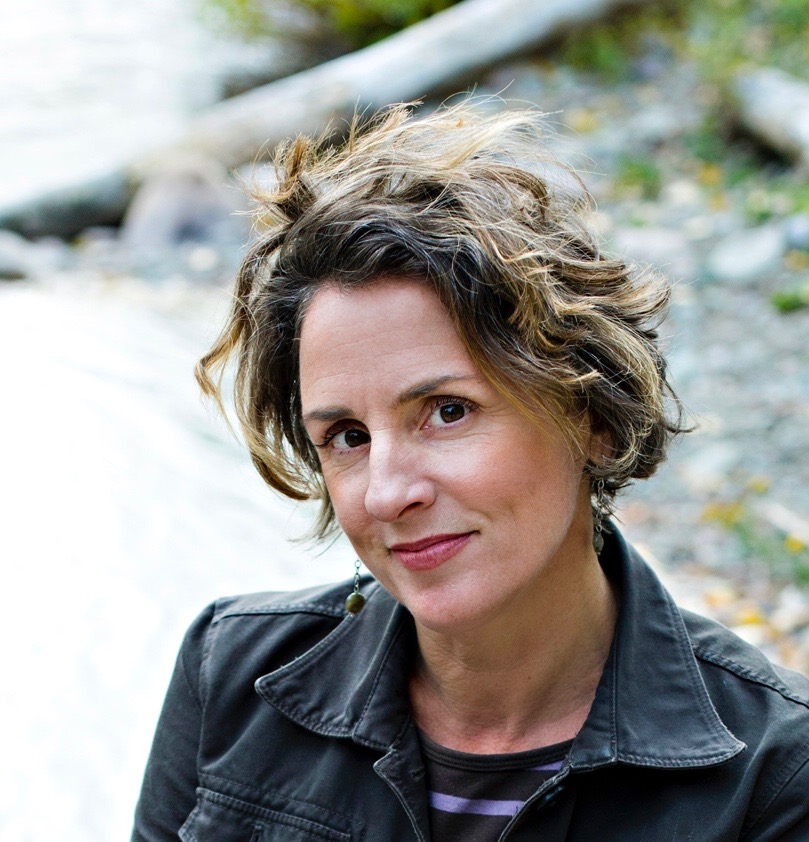
Karla Theilen
Karla Theilen feels like she’s getting away with something. Not only does she love the camaraderie of her cohort, her dynamic instructors, and the flexible class schedule, she is fascinated by everything she studies.
“I’m discovering things that truly resonate with me and that I am genuinely motivated to learn,” says Theilen, a full-time nurse at Boynton Health on the University of Minnesota Twin Cities campus. “The program is more than just personal edification – I get a master’s degree out of it, too.”
Theilen was introduced to the Bakken Center through continuing education opportunities and Mindful Mondays. “Once I learned about health coaching, I realized it was the missing piece – the holistic component and whole-person approach I’d always felt lacking in conventional nursing,” she says.
As a hospital nurse for many years, Theilen witnessed high readmission rates and poor chronic illness management despite diligent care from skilled providers. “Something is missing from the picture in healthcare,” she explains. “Health coaching is a step in the right direction and offers a more person-centered care. It creates the space in which patients can be seen and heard as individuals.”
A lover of all things outdoors, Theilen plans to take some quality time in nature after graduating. “I want to reflect and allow everything to sink in,” she says. “I trust that the knowledge, experience, and connections I’ll gain in the program will lead me to the next open door.”
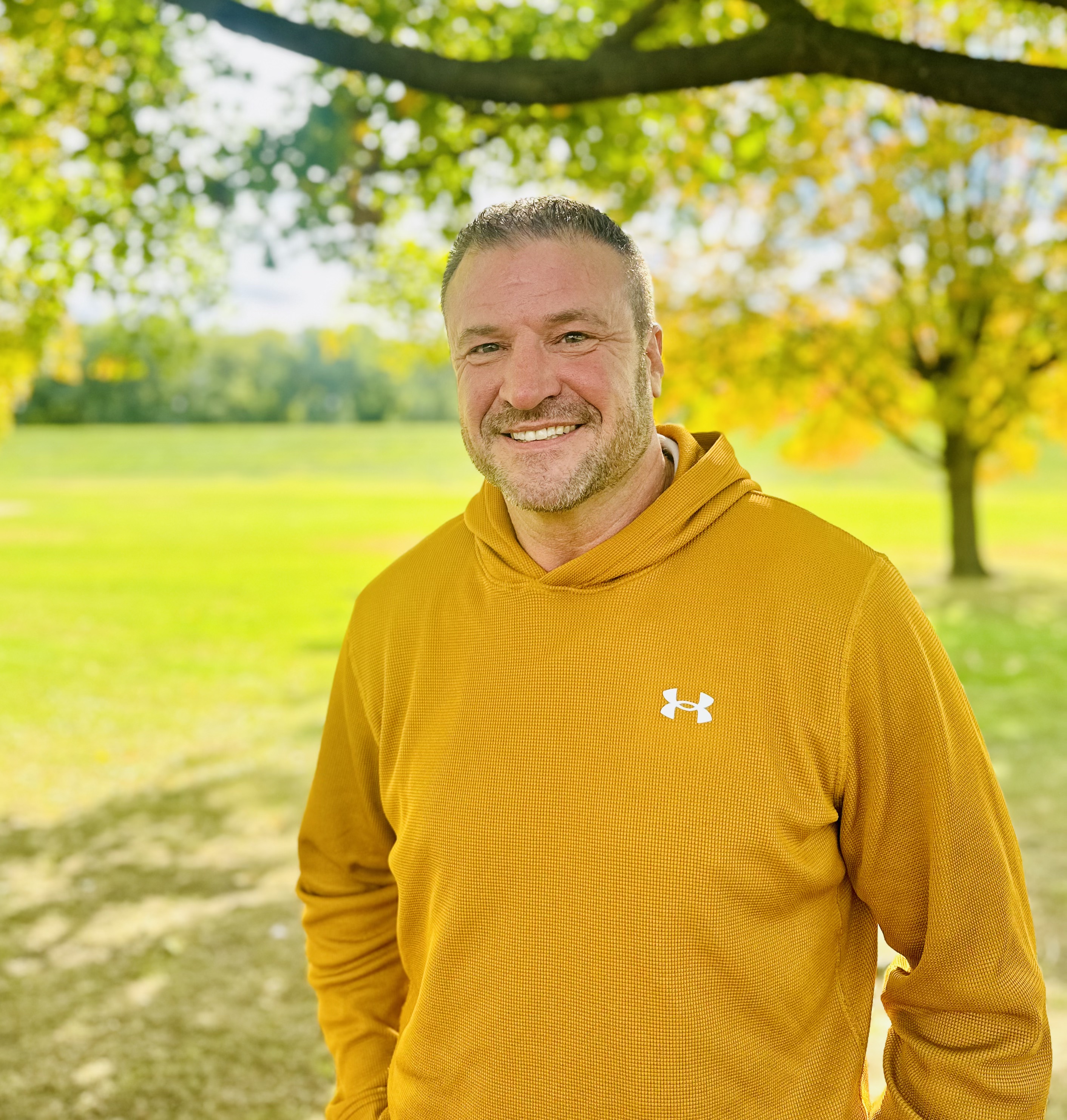
Chris Neyman
After honorably serving as an officer in the Iraq War, Chris Neyman has embraced a new mission: healing others. Drawing on his years of leadership in the U.S. Army and his own post-war healing journey, he brings a compassionate and insightful approach to patient care.
“Following two combat tours, I worked through many personal struggles,” says Neyman, who currently serves the veteran and first responder community in Dallas, Pa. “I have also been directly involved in the end-of-life care for my father and grandfather, which in many ways was a crash course in aspects of healthcare.”
These experiences as well as the University of Minnesota’s reputation and the program’s solid path to board certification led him to pursue a master’s in coaching.
“What I like most about the program is how the curriculum focuses on client empowerment and autonomy. Showing other people they have the power inside to make change translates into tangible benefits,” Neyman explains. He also values the increased confidence the program’s internship gives students to develop and practice their coaching skills, he says.
Neyman believes health coaching is an important way to guide people toward self-empowerment in health and wellbeing. “It helps them address root causes of dysregulation, dysfunction, and disease. This is a gamechanger and I believe health coaching will change the landscape of how we approach fundamental aspects of healthcare,” he says.
In addition to his many volunteer pursuits while earning a master’s degree, Neyman will soon become a state certified community health worker. “Although my plate is full outside of school, I find this program is structured in a way that allows me to manage my work-study flow well,” he says.
After graduation, Neyman hopes to work with veterans and other marginalized populations.

Thérèse Horton
Having navigated a life-altering medical condition herself, Thérèse Horton understands firsthand the vital role a health coach can play. After years of doctors struggling to identify the cause of her fatigue, she reached out to a coach in a bid to continue working while managing her health challenges.
“That experience made me realize this was the right field for me,” she shares. Although Horton ultimately had to leave her position with California Correctional Health Care Services and go on disability, she turned this setback into an opportunity by earning her certificate in integrative health and wellness coaching from another university. She later got board certified through the NBHWC.
“Coaching views individuals as whole beings, focusing on their strengths and supporting them in finding their own paths,” she explains. “It fosters personal autonomy and encourages creative solutions that complement healthcare.”
Driven by her passion to help others, she sought further knowledge and pursued a master’s degree. The program’s exceptional mentorship and internship opportunities led her to choose the University of Minnesota.
“These elements will enhance my skills as a coach and leader in this emerging field after graduation,” says Horton, who is building her own coaching business.
She aims to support individuals with chronic illnesses, neurodivergence, and those facing mental health or addiction challenges. “I hope to work with a diverse range of people and help them discover their own paths to optimal health and wellbeing,” she says.

Mike Sund
Mike Sund is an enthusiastic cross-country skier and cyclist who is passionate about helping others enhance their physical and mental health. After a successful career in strategic marketing, the 65-year-old took time to reflect on his interests.
“I picked up consulting work, but realized I was becoming less and less interested in marketing,” says Sund, who has a deep interest in wellbeing and the impact of stress on health. “Stress management isn’t addressed by healthcare systems and I see an opportunity to change that.” He was drawn to the Bakken Center’s master’s program because it stood out as one of the best for health coaching.
“There are so many things I like about the program,” says Sund, highlighting the outstanding instructors, curriculum, resources, and supportive administrative team. “And I would be remiss if I didn’t mention my fellow students who have been so supportive and collaborative as well.”
While Sund is still defining how he will use his degree, he hopes to help individuals in the last half of their career balance work demands and navigate into a healthy, rewarding retirement. “It’s easy to think retirement is all golf or fishing or whatever,” he notes. “I think it’s more complicated than that and the transition from work life can be challenging. It’s helpful to have a plan for change.”
A plan is what Sund believes this new field can provide. “Helping individuals change their behaviors to prevent chronic conditions will go a long way to improve both their own as well as society’s health and wellbeing outcomes,” he says.