
All Articles: Nature-Based Therapies
Nature is not a luxury. It is not a weekend hobby for those with spare time. It is a biological imperative.

All of us who have stood on Superior’s shores can recall stepping into the cool lake air, hearing waves swish upon pebbles, and feeling the mind and body quiet as they begin to match the rhythms of the lake. We yearn for this. We need this connection to nature in order to be whole, healthy, and centered.
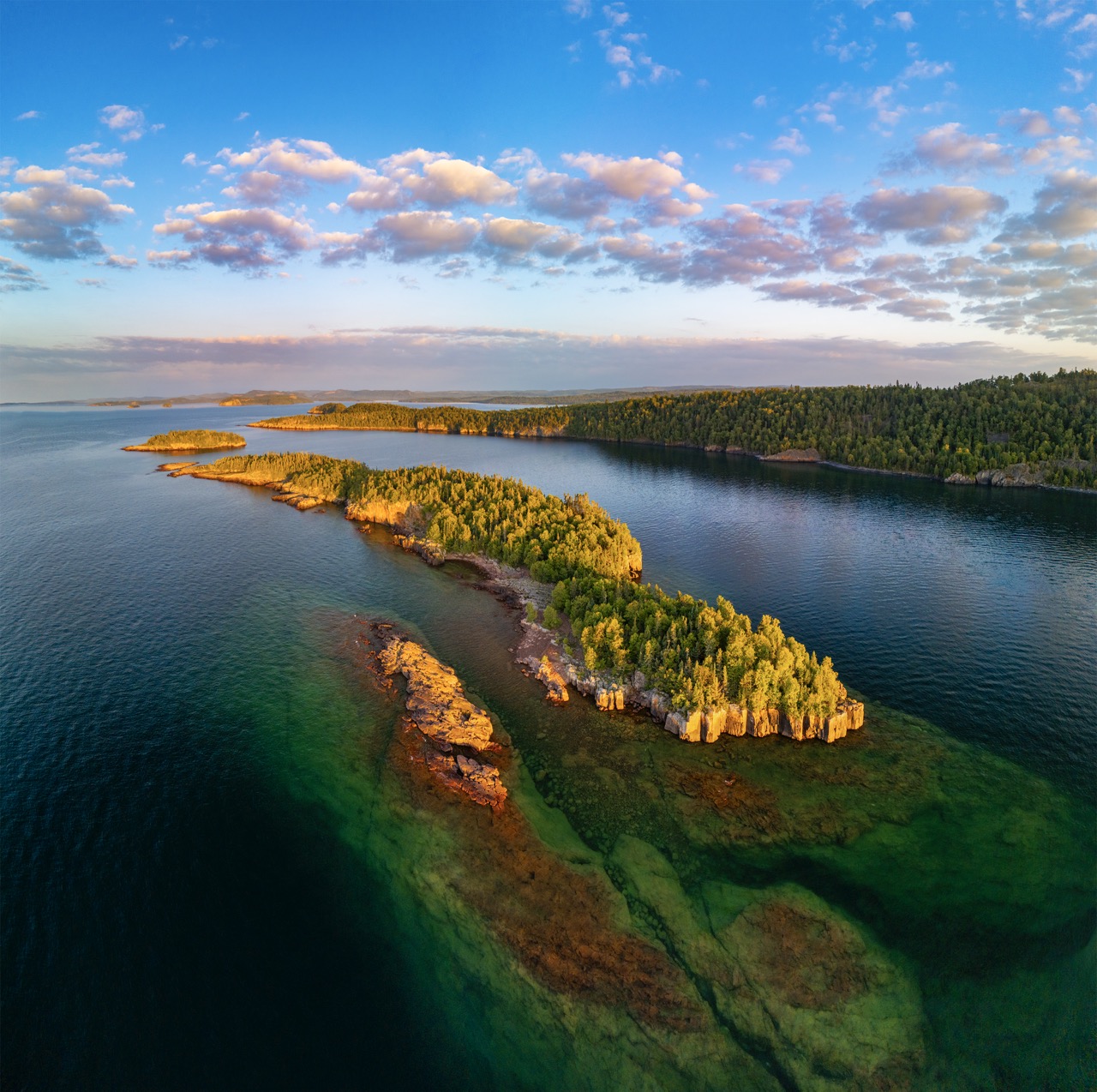
There are many things in life we don’t notice or fully appreciate simply because we are too close to view them within a greater context of space and time.

There’s humility in this, and beauty. The moths on the water. The deer nourishing both forest and family. Death, endlessly recycled into life.

The terrace area, overseen by the Bakken Center, contains several raised garden beds. Several University faculty, staff, and students decided to come together to give it new life—literally—as a meditation garden.
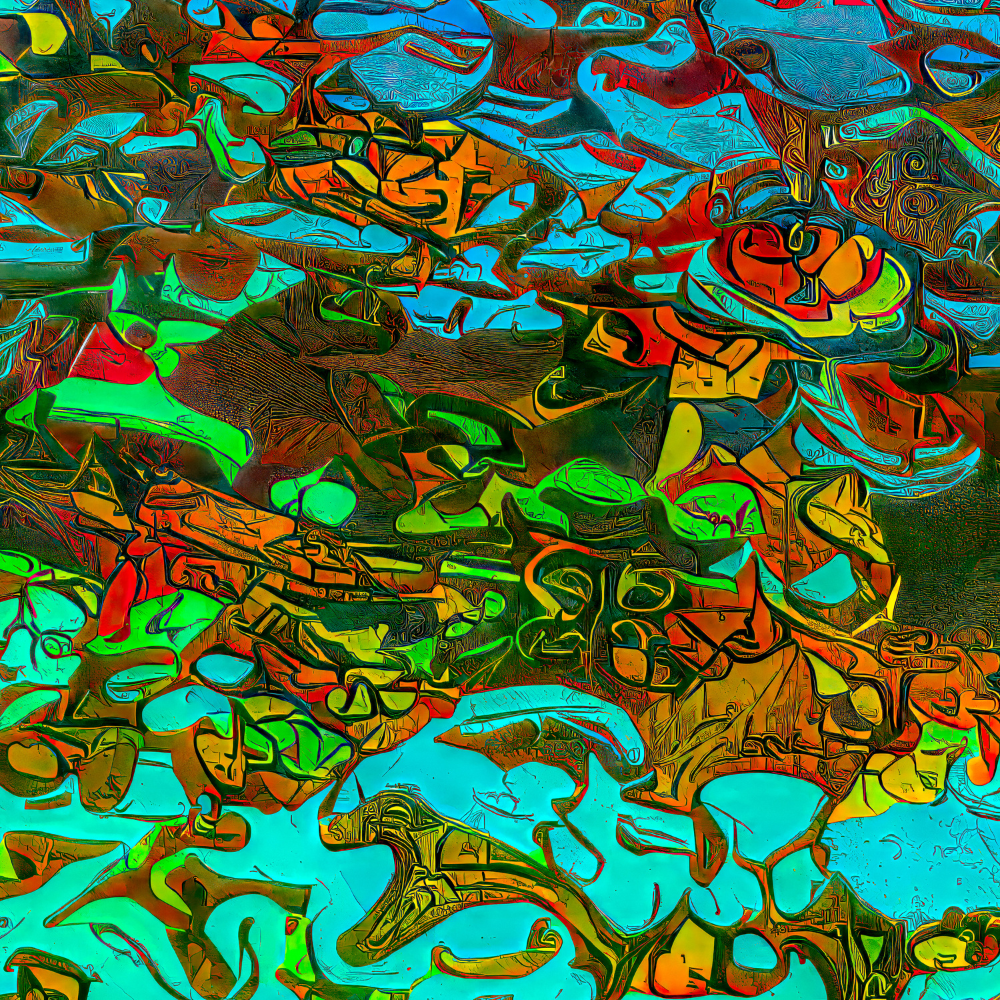
Craig Blacklock’s new work including the Encroachment series, will be on display at the Joseph Nease Fine Art Gallery in Duluth, Minnesota from August 9th through September 27th.
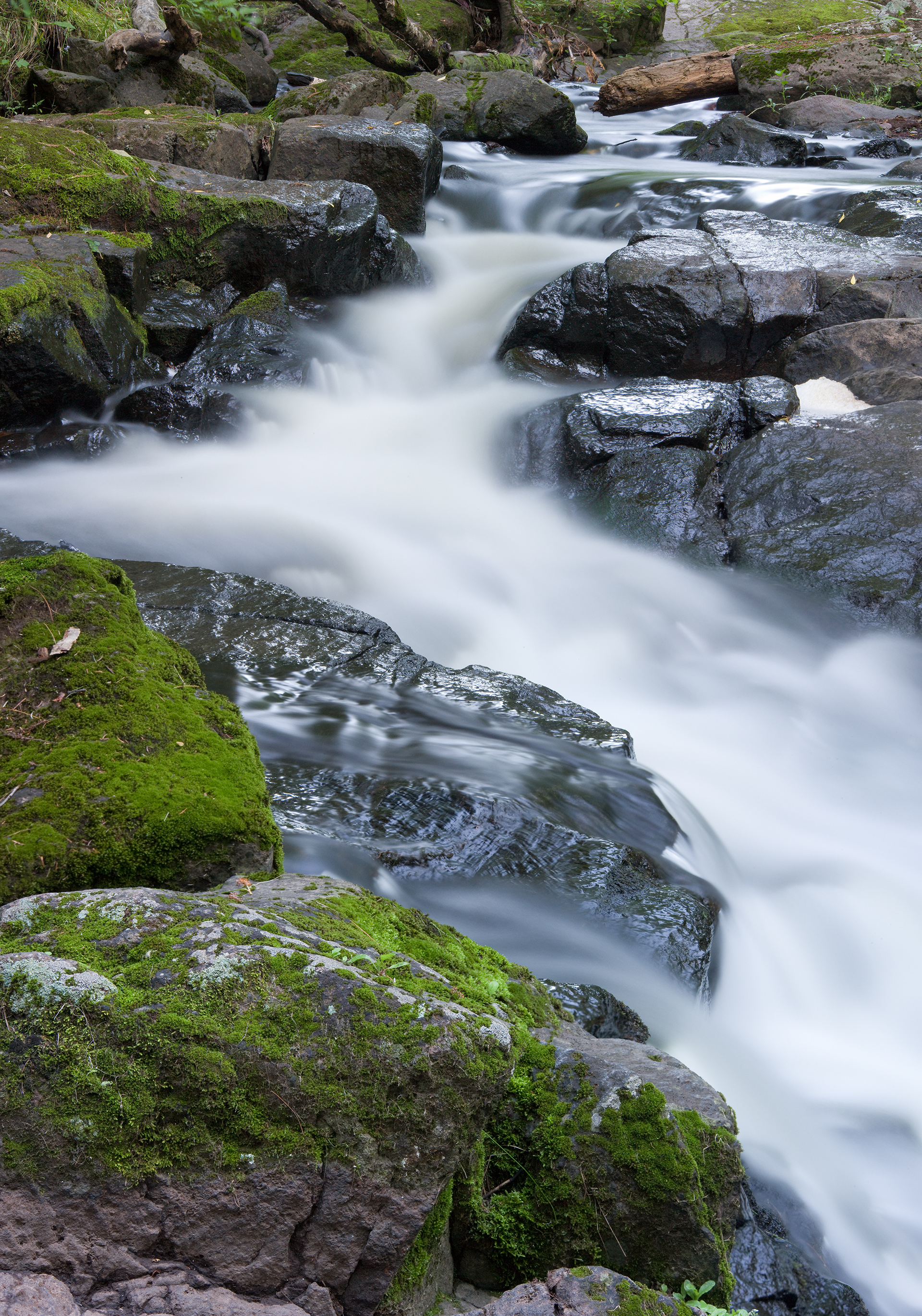
I know of no better way to teach mindfulness than to give a person a camera and take them into the natural world; whether they use a cell phone or a top-of-the-line professional camera makes little difference because the results will be just as impressive.
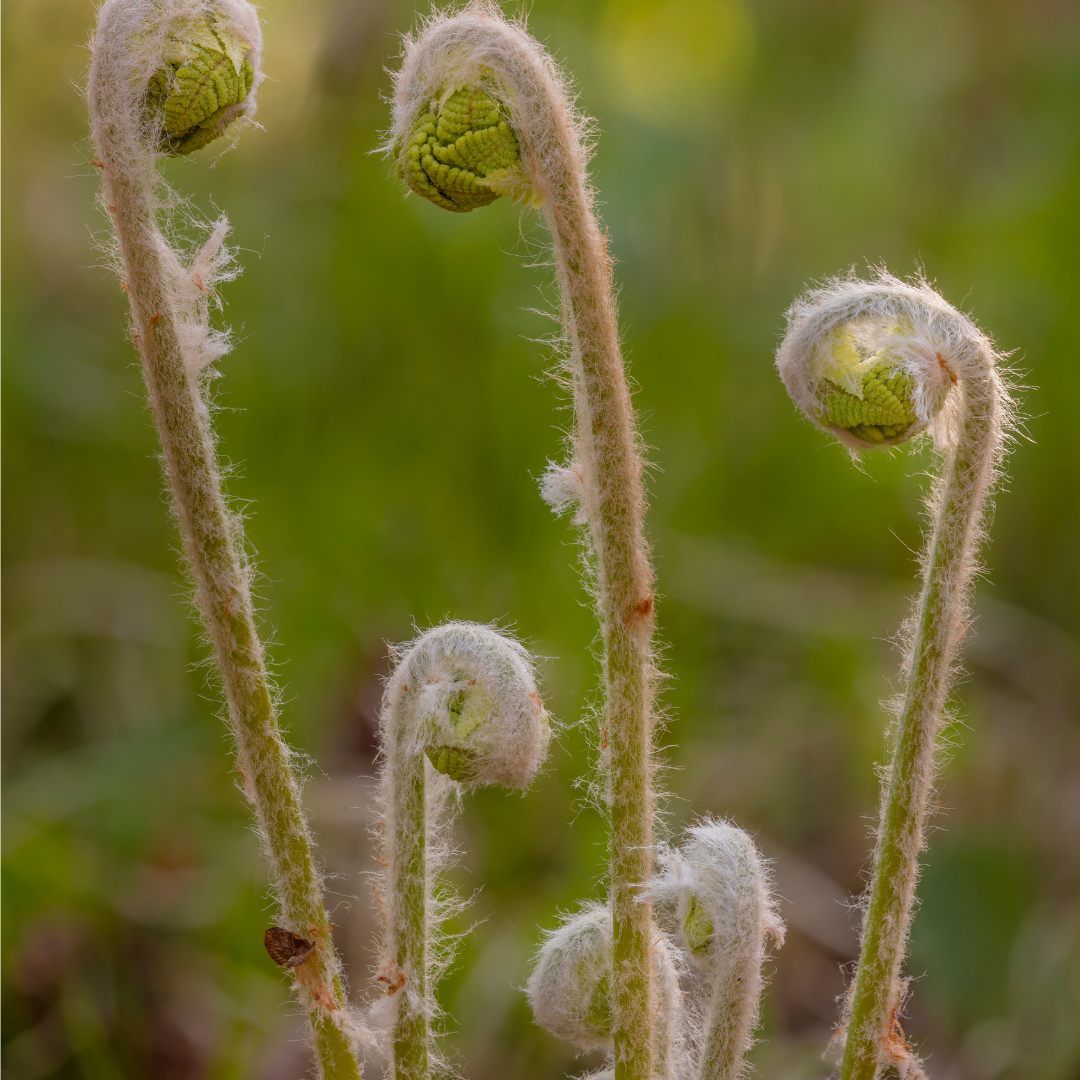
Spring arrives not from the ground, but first from the air, on the wings of wood ducks and trumpeter swans. The snow in the forest may still be waist-deep, but as soon as the ice melts from parts of the rivers and edges of ponds, they appear—eager to find the best nesting sites and stake out territories. Photographs from Craig Blacklock’s book, St. Croix and Namekagon Rivers—The Enduring Gift.